Arsha Vidya Parampara
How to Approach Vedanta
Pujya Swamiji’s Guidance for the Student
A meaningful, step-by-step pathway into the study and assimilation of Vedanta
✦
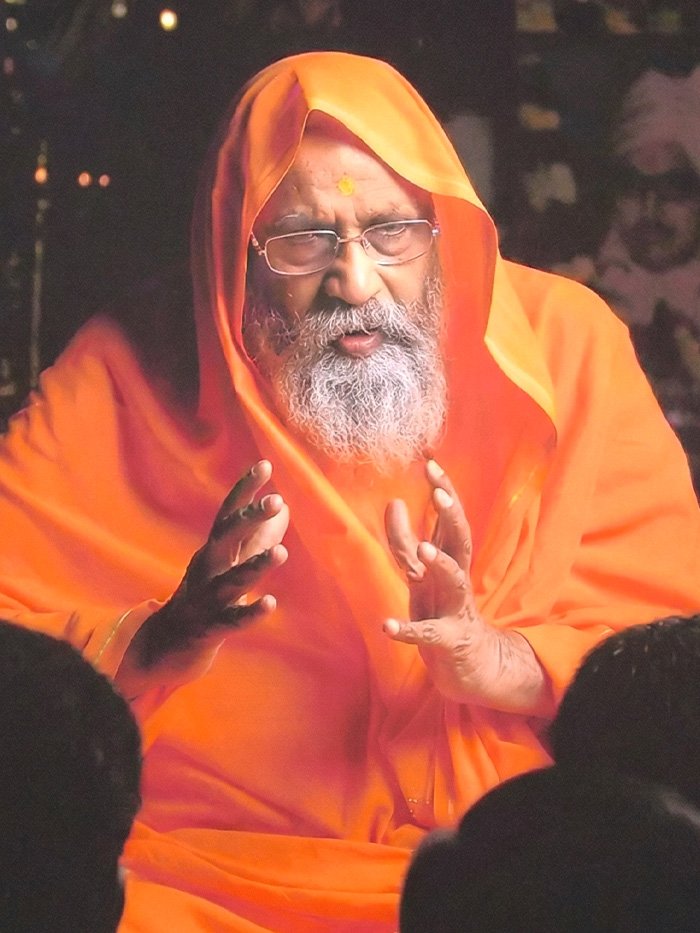
Many people discover Swami Dayananda Saraswati — Pujya Swamiji — with genuine curiosity and interest. They may then feel a little overwhelmed by the vast number of books and talk series available. With so much to choose from, it is not always easy to know where to begin.
If one starts directly with an advanced text, the study may begin to feel too intellectual, and the thread of the teaching may be lost.
Swamiji’s teaching, however, is not merely intellectual. It is a living vision — one that speaks to life as it is lived every day. It unfolds step by step, with clarity, depth, and joy.
What follows is the pathway that Swamiji himself suggested: a clear and natural sequence for approaching Vedanta, so that the student can begin well, proceed steadily, and allow the teaching to be properly understood and assimilated.
Ignorance of one’s true nature is the cause of all sorrow. There is no ‘becoming’ free or liberated. One is already free, but ignorant of it. Moksha is removal of this ignorance and understanding one’s true nature as already being free.
Swami Dayananda Saraswati
A Good Starting Point
Begin with the Cultural Foundation
Before anything else, it is helpful to understand the spiritual and cultural heritage of India. This gives the student a sense of the world into which Vedanta belongs — its depth, its beauty, its sacred vision, and its timeless relevance.
The Spiritual Heritage of India
A beautiful orientation to India's spiritual culture — ideal as a first entry point into the world of Vedanta.
✦ ✦ ✦
The Foundation
Receive a Clear Introduction to Vedanta
Once interest has been awakened, this book and the two audio series offer a simple but solid foundation. They answer the seeker’s most natural first question: "What is Vedanta, and how does it relate to my life?"
The Value of Values
How do values shape the mind — and how does the mind, once clear, open the door to inner freedom?
Introduction to Vedanta
What is Vedanta? What does it address? How does it address the fundamental human conditions?
✦ ✦ ✦
Cultivate Self-Awareness
Learn to observe the mind
Before going deeper into the scriptures, Swamiji often encouraged students to learn to observe the mind — its patterns, reactions, restlessness, and quiet moments. When this inner observation begins, Vedanta does not remain merely in the intellect. It begins to be assimilated.
The Moments with Oneself series is especially helpful for this. It supports honest, grounded contemplation — similar in some ways to what is now called mindfulness, but rooted in Swamiji’s unique vision and teaching methodology.
Suggested books from the series
The Fundamental Problem
A practical introduction to values and attitudes for a life of clarity and growth.
Action and Reaction
A concise presentation of means and the goal in the pursuit of self-knowledge.
Freedom from Helplessness
An exploration of the shift in understanding required for lasting clarity.
Yoga of Objectivity
A reflection on relationships, values, and emotional maturity.
Ishvara in One's Life
Understanding the role of Ishvara in one's daily life and vision.
✦ ✦ ✦
Pujya Swamiji's Public Talks
Pujya Swamiji's Public Talks
Swamiji’s public talks offer one of the most direct ways to encounter the teaching. With great clarity and simplicity, they remove common misunderstandings, speak to the challenges of everyday life, and reveal how Vedanta is not merely to be studied, but understood and lived — even without prior knowledge of Sanskrit.
Good titles to begin with
Successful Living
A practical introduction to values and attitudes for a life of clarity and growth.
Sadhana–Sadhya
A concise presentation of means and the goal in the pursuit of self-knowledge.
Need for Cognitive Change
An exploration of the shift in understanding required for lasting clarity.
Discovering Love
A reflection on relationships, values, and emotional maturity.
✦ ✦ ✦
Prasthana Trayam · Upanisad
Your first traditional texts
When you feel ready to go further, these texts become natural doorways into the classical teaching. They are concise, profound, and meant to be studied with care — not rushed through.
Tattvabodha
A traditional introduction to Vedānta presenting the fundamental categories of the teaching and preparing the student for systematic study.
You may then continue with
Kena Upanisad
"One has to read the Kenopanisad to grasp the vision of Vedanta to resolve all doubts."
Mundaka Upanisad
"Every upanisad is a word mirror which reveals that the one who is looking at it, is the only one who makes things happen, exist and resolve."
Drg Drsya Viveka
A classical Prakarana Grantha exploring the nature of the seer and the seen — a foundational text in the tradition of Advaita Vedanta.
✦ ✦ ✦
Prasthana Trayam · Bhagavad Gita
Teaching of the Bhagavad Gita
One may naturally feel drawn to enter the Gita directly through its detailed commentary. However, a gentler and often more fruitful approach is to begin with introductory talks on the Gita, allowing the overall vision to settle first before proceeding to a verse-by-verse study.
Vision of the Gita
The Gita is upanisad saram, the essence of the upanisads. This book is the essence of the Gita. In ten verses the context and content of karma, karma-yoga, sannyasa and moksa is unfolded.
Essential Verses of the Bhagavadgita
A concise presentation of means and the goal in the pursuit of self-knowledge.
You may then continue with
Bhagavad Gita Home Study
Swami Dayananda's Bhagavad Gita Home Study Course is an edited transcript of 363 classroom talks taught at the Arsha Vidya Gurukulam Saylorsburg between 1987 and 1990.
Bhagavad Gita (2010) – 18 Chapters
Teaching of the Bhagavadgita (18 Chapters, without Shankara Bhashyam) by Pujya Swami Dayananda Saraswati.
A note on advanced texts
If you are new to Vedanta, it is best not to begin with highly technical or analytical works — for example, the Brahma Sutra. Vedanta is meant to transform your vision of life, not remain an academic pursuit.
Take small, steady steps. Let the teaching meet your life, mature your understanding, and unfold in its own proper way.